Brick vs Concrete Pavers: Which Cleaning Method Is Safer?
Maintaining outdoor living spaces in Lake Macquarie requires a tailored approach, especially when dealing with hardscaping surfaces. Between lake humidity, coastal sea spray, and frequent seasonal rain, driveways and patios quickly accumulate moss, lichen, and stubborn grime. When it comes time to refresh your outdoor areas, knowing whether your surface is clay brick or poured concrete paving is critical. Applying the wrong cleaning method can permanently etch concrete surfaces or strip the protective face off clay bricks.
Understanding the Material Differences
While both materials create durable, attractive entertaining areas, they react very differently to moisture, heat, and physical abrasion.
Clay brick pavers are kiln-fired at extreme temperatures. This process vitrifies the clay, making the color integral throughout the unit. While clay bricks are naturally dense, older installations or heritage pavers often have soft mortar joints or sand bases that can dislodge easily under aggressive water pressure.
Concrete pavers are manufactured from a mixture of aggregate, sand, cement, and pigment. The top surface features a thin layer known as the "cream" layer. This surface skin is vulnerable to both chemical etching and intense mechanical abrasion. Once this top layer is stripped, the rough aggregate underneath is exposed, causing irreversible discoloration and accelerating future dirt accumulation.

High-Pressure Washing vs Soft Washing
For years, blasting pavers with maximum pressure was the standard maintenance route. However, modern exterior cleaning practices heavily favour soft washing over brute force, especially in environmentally conscious areas around Lake Macquarie waterways.
The Risks of High-Pressure Blasting
High-pressure washing relies entirely on mechanical force—often exceeding 3,000 PSI—to strip grime. When applied to concrete pavers, this force can easily gauge lines into the surface and blast away the vital polymeric sand between joints. For clay brick, excessive PSI can pit the surface and blow out decades-old bedding material, leaving the pathway unstable and uneven.
The Benefits of Soft Washing
Soft washing utilizes specialized, biodegradable cleaning solutions applied at low pressure, followed by a gentle, high-volume rinse. The cleaning agents penetrate the microscopic pores of the paver to kill spores, mold, and algae at their roots, rather than merely shearing off https://pressurecleaninglakemacquarie.com.au/roof-cleaning/ the top layer.
Cleaning Method Safety Comparison
To determine the safest route for your property, consider how each material interacts with standard cleaning techniques:
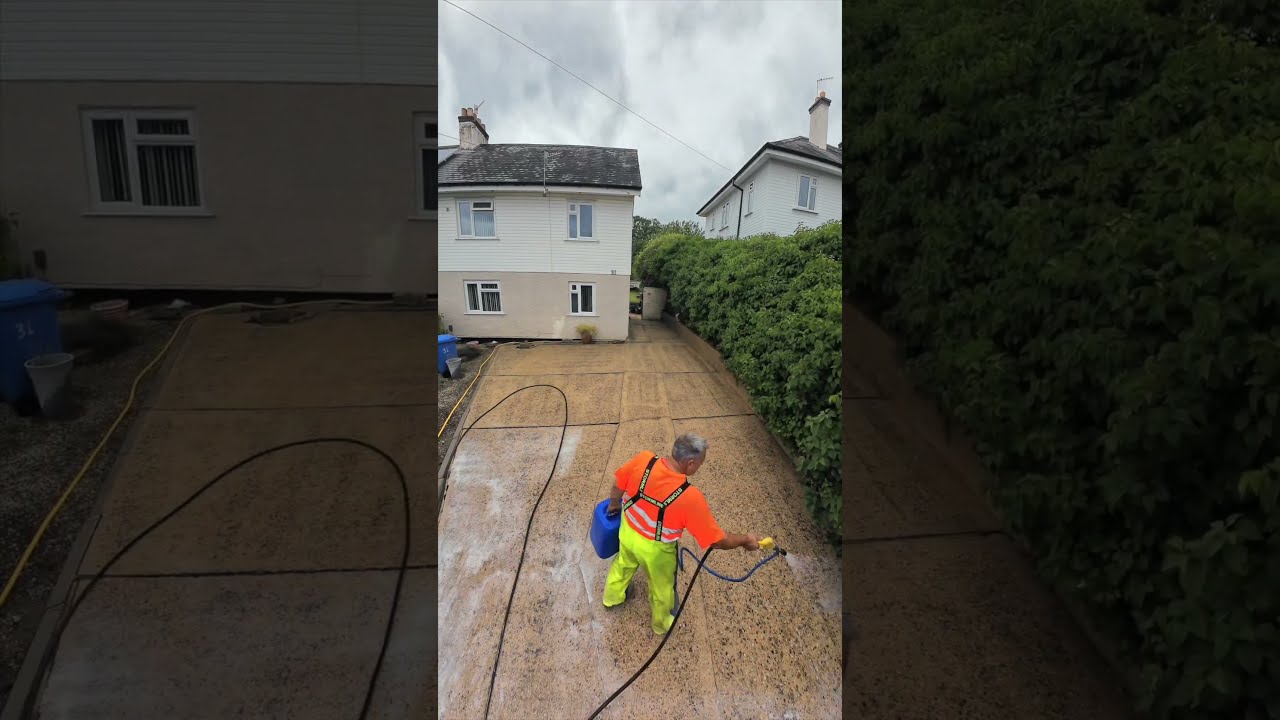

- For Concrete Pavers: Soft washing combined with a flat-surface cleaner set below 1,800 PSI is the safest method. High alkalinity or acidic cleaners should be strictly avoided, as acids react with the calcium carbonate in concrete and cause immediate surface pitting.
- For Clay Brick: Soft washing is exceptionally safe because the fired surface resists mild cleaning detergents well. Rotary surface cleaners at moderate pressure (around 2,000 PSI) can be used safely, provided the nozzle distance is maintained to protect joint sand.
Environmental Best Practices in Lake Macquarie
Protecting local waterways is an essential consideration for property maintenance in 2026. Wash water from outdoor cleaning projects inevitably enters stormwater drains, which flow directly into Lake Macquarie. Using harsh chemical strippers or acid-based washes poses a genuine risk to local aquatic ecosystems.
- Inspect the Joints: Check whether your pavers are bound by mortar, standard sand, or polymeric sand before introducing any pressurized water.
- Choose Low-Pressure Chemistry: Rely on targeted, eco-friendly surfactants rather than extreme water pressure to lift organic stains safely.
- Contain and Filter Runoff: Prevent dirty wash water and dislodged sand from escaping into public stormwater channels.
- Re-sand After Cleaning: Once the pavers are completely dry, top up the joints with fresh kiln-dried or polymeric sand to preserve structural stability.
Ultimately, soft washing is the safest and most effective cleaning method for both brick and concrete pavers. By neutralizing organic growth at the source without relying on destructive water pressure, you preserve the structural integrity and aesthetic charm of your Lake Macquarie property for years to come.
Lake Macquarie Pressure Cleaning Pros
2/396 Pacific Hwy, Belmont North NSW 2280
(02) 4011 6922